
Meta’s pricing for WhatsApp messages: how WhatsApp works it out, and when a template is free
Meta does not charge you the same price for every message. The model depends on the message’s category, the market, and how the conversation started. This guide explains the whole model with examples from the Saudi market, and shows when you pay nothing at all — genuinely.
Before we talk about price: how does Meta classify your messages?
When you create a new template in WhatsApp Business, Meta asks you to choose the category. After review it may reclassify the template itself based on the content. The category determines the minimum for using the template, when it needs the customer’s explicit opt-in, and what it costs.
Meta’s four official categories:
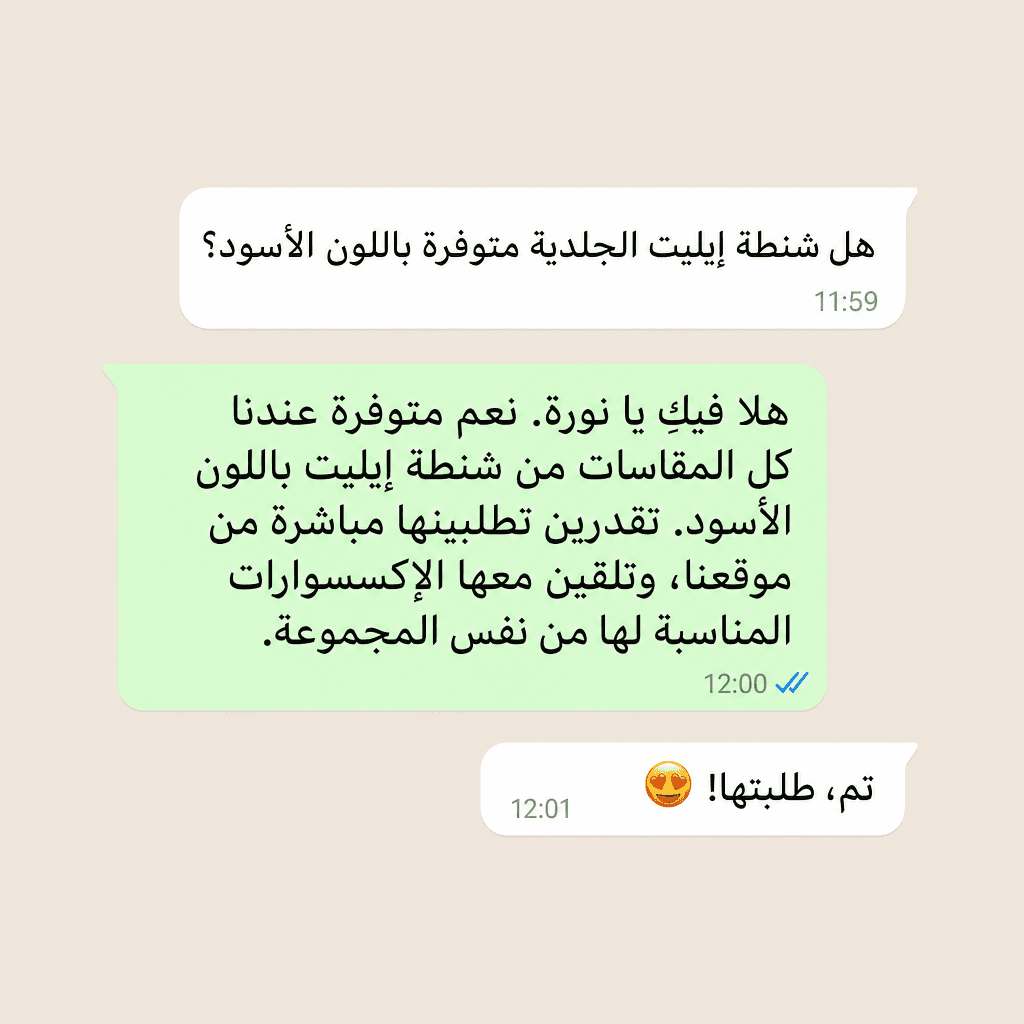
Marketing campaigns
Promotional messages and campaigns to create demand, win back dormant customers, or launch a new product. The most expensive, because they start from your side and go out to a whole database.
- Building awarenessProduct launches, tracking CTM ads, introductory messages to new customers.
- Driving salesSeasonal offers, discount codes, product recommendations.
- Re-engagementRecovering abandoned baskets, renewing expired subscriptions, loyalty offers.
- Deepening the relationshipBirthday messages, seasonal greetings, VIP offers.
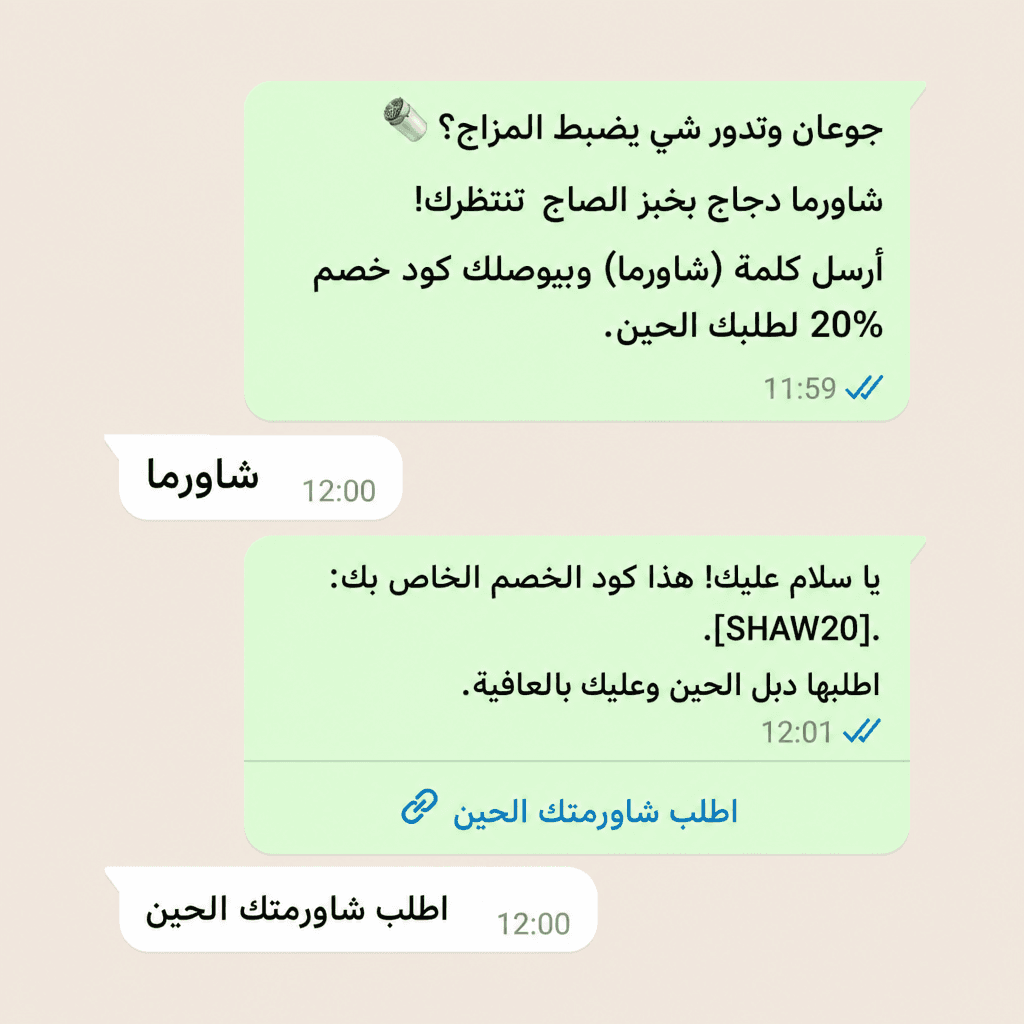
Utility messages
Notifications tied to a specific transaction — order confirmation, a shipment update, a payment receipt, an appointment reminder. Far cheaper than marketing because they relate to something the customer actually did.
- Order managementConfirming, amending or cancelling orders and shipments.
- Account alertsNotifications tied to a previous transaction, payment reminders, security alerts.
- Managing consentConfirming opt-in, subscribing to or unsubscribing from notifications.
- Collecting feedbackA satisfaction survey after delivery, rating a support experience.
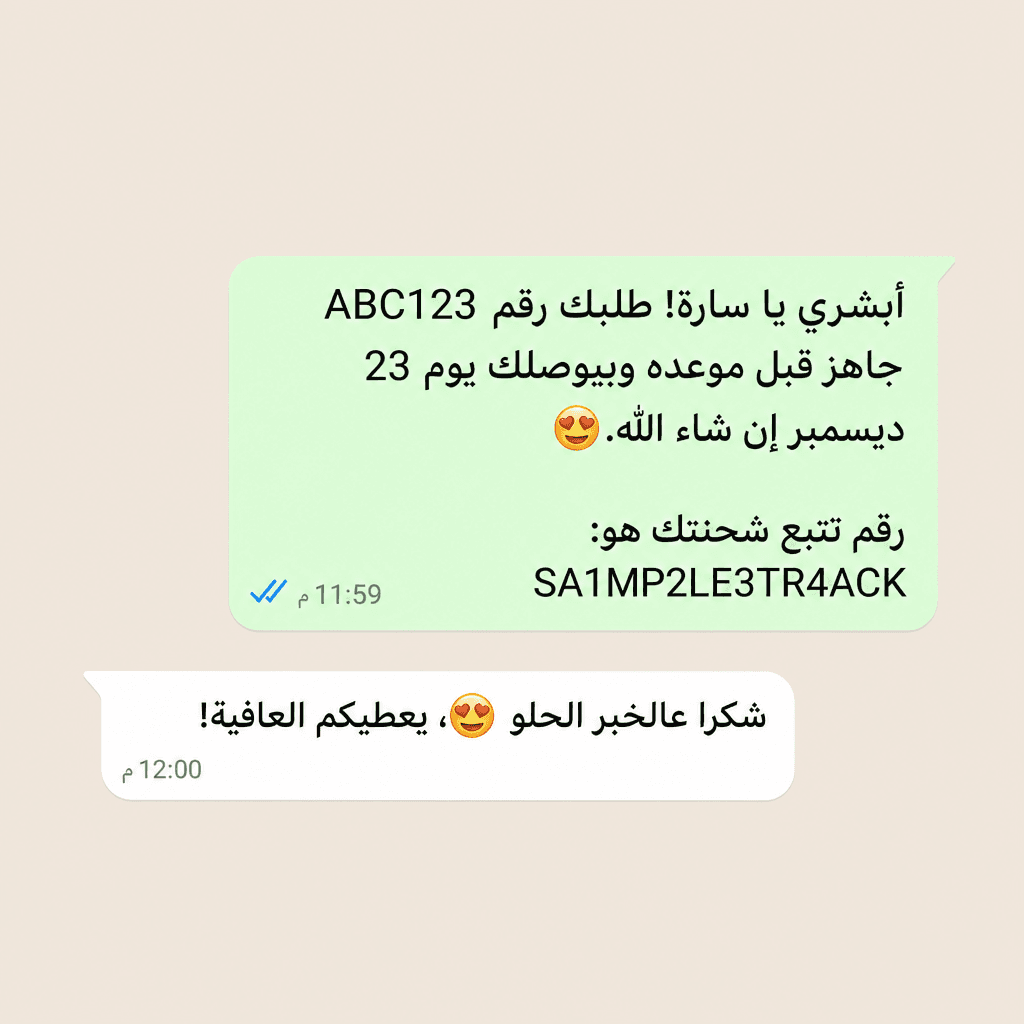
Verification codes (authentication)
One-time passwords for creating accounts, recovering access and confirming sensitive operations. The automatic copy-and-fill button in WhatsApp takes a great deal of friction out of authentication.
- Creating an accountConfirming the customer’s number at sign-up.
- Recovering accessResetting a password safely.
- New transactionsConfirming a payment, a purchase, a bank transfer.
- Existing transactionsVerifying a delivery, a receipt, an amendment.
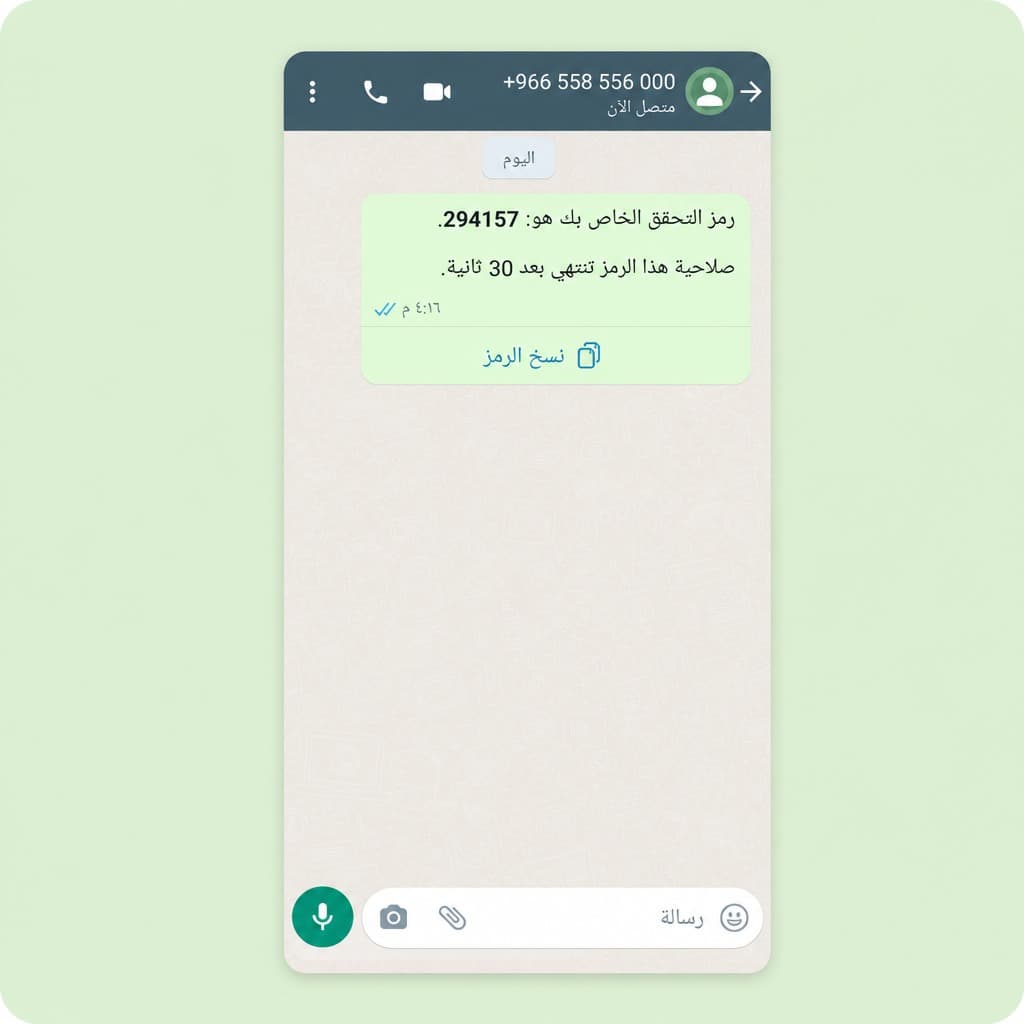
Replying to a customer (service) — the first thousand a month free
Meta removed the charge for service messages on 1 November 2024, and brought it back on 1 October 2026. Every business phone number gets a thousand free service messages per calendar month — never carried over, never pooled between two numbers — and past that each one is charged at the utility rate for the customer’s market. An agent’s reply and a bot’s reply count the same, whether text, image or document.
That changes the arithmetic of automation: a bot answering thousands of enquiries a month used to carry no Meta cost, and now it is a line on the bill. The value is unchanged, but the number of replies it takes to close a conversation is now a figure worth watching.
What is still free after 1 October 2026, and how to design your flows around it.
Knowing these windows makes a fundamental difference to the bill. The difference between a shop paying SAR 5,000 a month and one paying SAR 1,200 is not the volume — it is the timing of who starts the conversation.
The service window
The customer messaged you → you can reply freely for 24 hours, and the window renews every time they reply. The window itself has not changed; what changed is that replies inside it now carry a price, past the first thousand a month per number.
The ads window
The customer clicked a CTM (click-to-WhatsApp) ad on Facebook or Instagram, or the WhatsApp button on your page → every message you send them for 72 hours is free, marketing included.
Utility inside the service window
Utility templates sent inside the 24-hour window had been free since July 2025. From 1 October 2026 they are charged in full at the market rate, and no free allowance applies to them.
A Salla shop, 10,000 customers, a full month.
Take a mid-sized Saudi shop. What does it really pay Meta in a month?
9,600 messages a month, plus the service replies that are no longer free past the first thousand. Timing a send inside the 24-hour window no longer saves anything on utility templates; what does save is a CTM ad with its free window, and needing fewer replies to close a conversation. That is the effect of flow design, not of the platform.
What to do next
Work out your own cost — with your numbers.
Enter your market and the messages you expect per category, and you get an estimated Meta bill in Saudi riyals in seconds.
Open the full calculator