In this article7
This guide builds the message from the start: which template category to choose and why, when to send and how often, how one message turns into a conversation that costs no further template, and what makes Meta reject the template or recategorise it.
Why it is a template in the first place
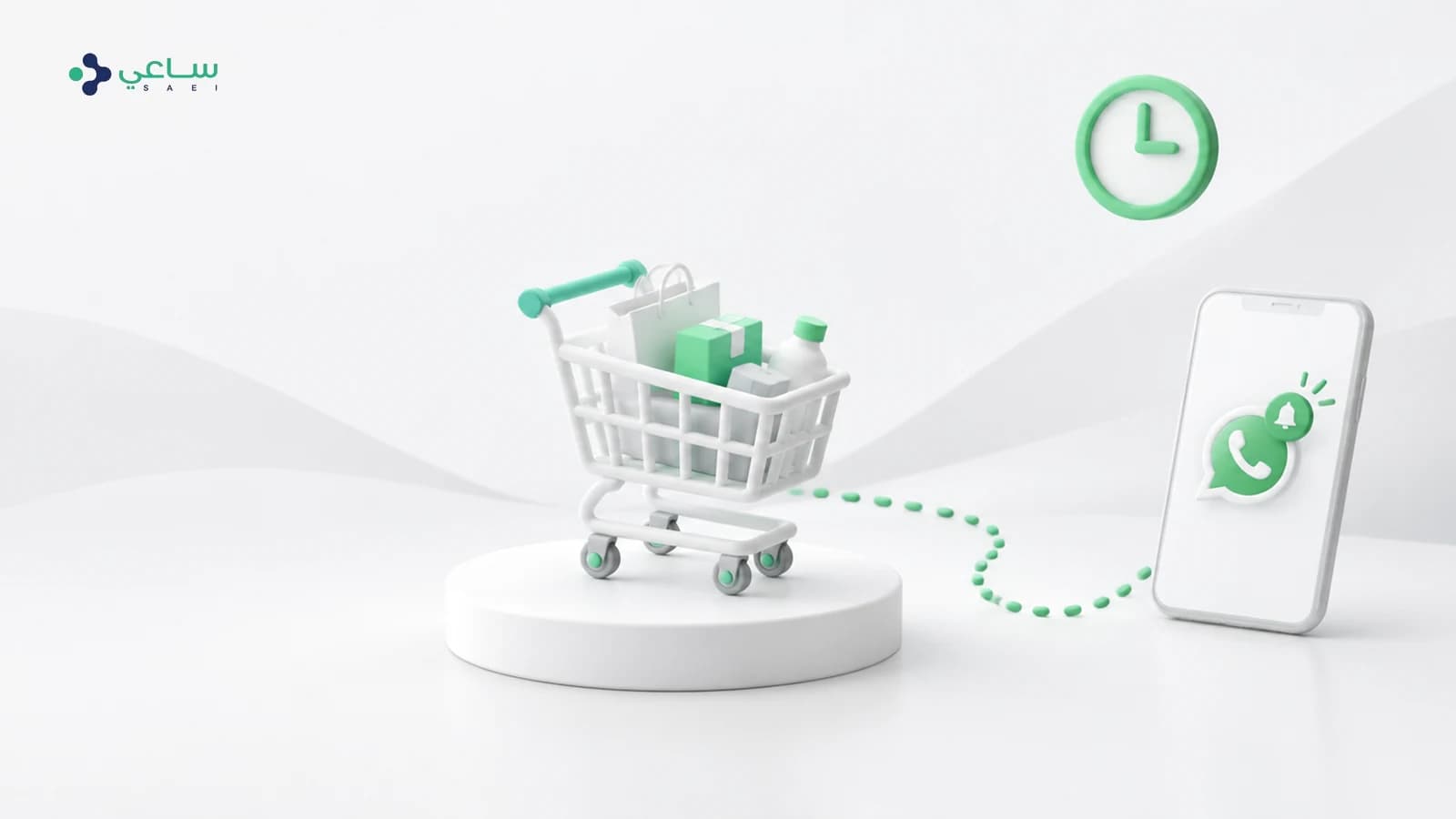
The customer left the cart and did not message you. So you are the one starting the conversation, and on WhatsApp a conversation can only be started with a template Meta approved in advance. This is not our rule or your store’s; it is the platform’s, and every piece of advice about "just sending a normal message" ignores it.
And because it is a template, it has a category. The category determines how Meta’s fees are worked out, and it also determines whether the template needs the customer’s prior permission.
Which category? The difference is not cosmetic
There are two readings of the same message, each with its own consequence:
| How you write it | How it reads | What follows |
|---|---|---|
| A reminder about an incomplete order, naming what is in the cart and asking if they need help | Tied to a transaction the customer already has | Needs no marketing permission, and is closer to approval |
| A discount or coupon to tempt them into completing the purchase | Promotion | Needs prior permission, and is billed in a higher category |
The practical rule: make the first message a reminder of what they left, not an offer. The offer — if you need one — comes after they reply, and at that point it needs no template at all.
Timing: early enough to be remembered, late enough not to intrude
There is no one correct number, and anybody selling you a fixed one does not know your store. But there is reasoning you can pick your own number from:
- If carts are usually left over hesitation about price, an early reminder arrives while the customer is still comparing.
- If they are left because something broke — a connection, an expired session, a failed payment — a very early reminder arrives before they know anything broke.
- And in every case: one message that lands at the right moment beats three that do not.
How many attempts, though, is governed by something other than your choice: the abandoned-cart event arrives once per cart. A reminder sequence is built at your end after it arrives, not by waiting for a second event from the store — which is set out in full in the guide to connecting Salla to WhatsApp.
The most important part happens after they reply
The moment the customer replies — with a single word — a follow-up window opens, in which you can write to them freely with no template and no template fee. This is where the sale actually happens: a question about a size, about delivery, about the payment that failed.
Which is why a first message that ends in a question does two jobs: it reminds, and it opens the door. A message that ends in nothing but a link leaves the customer where they were.
What gets the template rejected
The rejection causes for this particular template repeat, and every one of them is avoidable before you submit:
- Promotional text inside a template submitted as utility — far and away the most common.
- Variables with no context, so the reviewer sees text with gaps and cannot tell what fills them.
- Urgency or manufactured scarcity: "last chance", "expires within hours".
- A shortened link on a domain with no relationship to your store.
What the reviewer measures for each type of template is covered in the guide to message templates and why they are rejected.
Permission is not only a legal detail
Even in the category that needs no marketing permission, messaging somebody who never agreed to be messaged raises the chance they block or report you. Blocks and reports are exactly what WhatsApp calculates your number’s quality rating from, and a falling rating cuts your messaging limit or suspends the number. So permission protects your number operationally before it is an obligation.
Frequently asked questions
Can I send a normal message for an abandoned cart instead of a template?
No, as long as the customer has not messaged you first. Starting a conversation requires an approved template; free messages are available only inside the follow-up window, after they reply.
Should I put the discount in the first message?
Better not to. A discount moves the template into the promotional category, requires prior permission and raises the chance of rejection. Make the first one a reminder that ends in a question, and offer the discount after they reply — at which point you need no template at all.
How many reminders should I send?
The abandoned-cart event arrives once per cart, so the number is a decision you build after it arrives. The practical rule is that one message at the right moment is worth more than three at the wrong one, and every extra message raises the chance of a block.
Why did no reminder arrive even though the customer left a cart?
The most common causes are that the cart had already fired the event, that permission is not recorded for that customer, or that the template is not yet approved. Emptying or editing a cart creates no new event.
Am I charged if the customer never replies?
Meta’s template fees are counted on the template being sent, not on the customer replying. The full detail of the categories is in the Meta pricing guide, and the cost calculator estimates it for you in riyals.
How is this different from ordinary marketing messages?
The difference is that this is tied to something the customer just did in your store, which is what makes it acceptable to them and acceptable to Meta — as long as it is written on that basis rather than on the basis of an offer.