In this article7
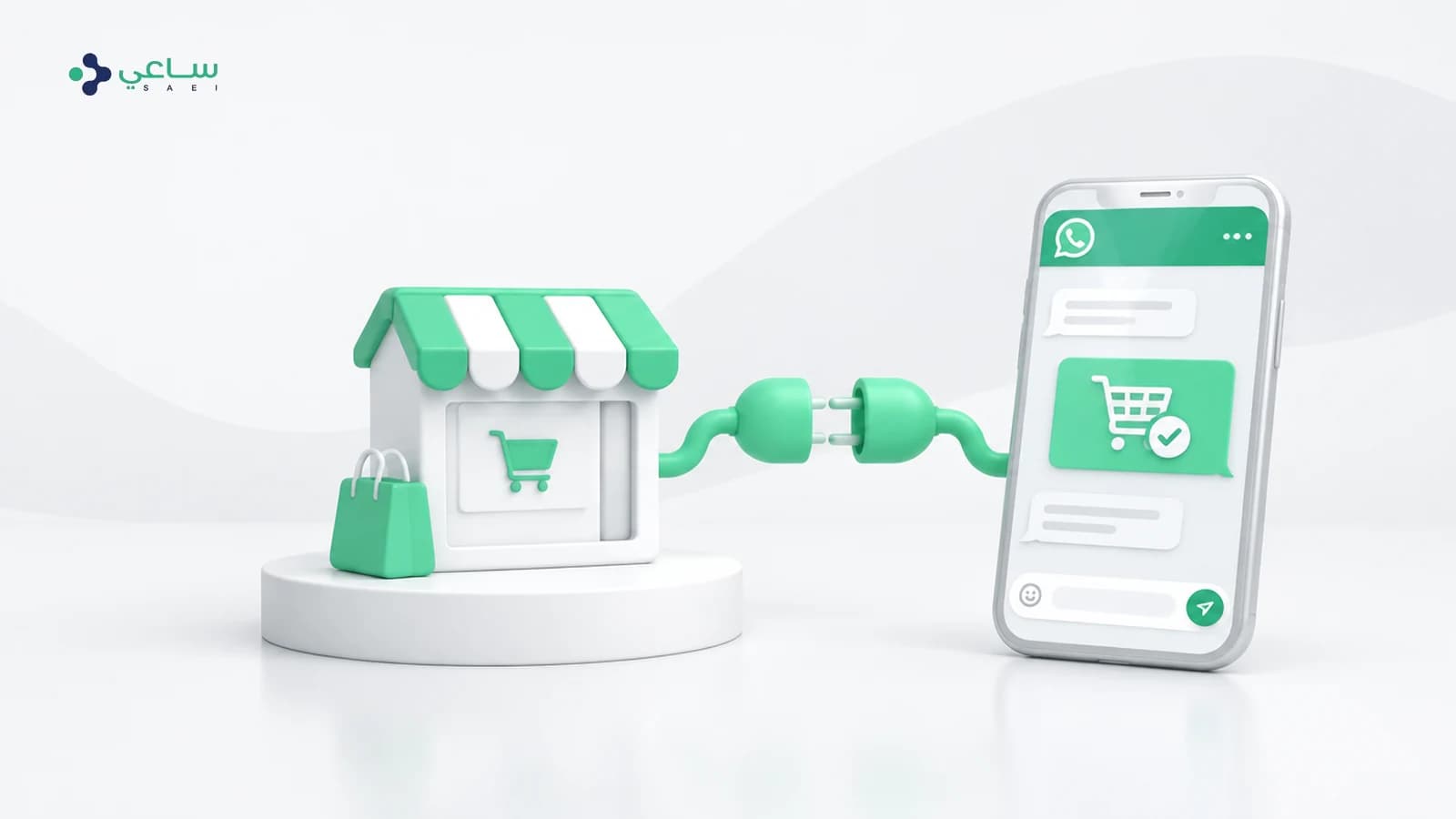
This guide walks through the connection as it actually runs: what your store must have in place before you start, which events travel from Salla, which messages need an approved template and which do not, then the setup in order. It ends with the constraints many merchants discover late.
What your store needs before you connect
The connection rests on Salla telling us what happens in your store the moment it happens. Those notifications (webhooks) are a Salla service with its own subscription, unrelated to your plan with us. If that subscription has lapsed, the store itself will refuse to save the connection, and nothing in our console gets around it.
- A published, active Salla store — an unpublished store refuses authorisation outright.
- The notifications service enabled in Salla, on a current subscription.
- A connected, approved WhatsApp number, and approved templates for the messages you will send first.
Which events travel from the store
Not everything that happens in Salla reaches you. What travels is the events the store itself publishes, and the most used are:
| Event | When it arrives | What it suits |
|---|---|---|
| New order | The moment the customer completes the order | A confirmation with the order status and a tracking link |
| Order status change | At each transition in the order or shipping status | An update on the same conversation, not a new one |
| Abandoned cart | After the customer leaves a cart without completing it | One reminder, under the conditions below |
| Cancellation or return | When the cancellation is recorded in the store | A notification, and handover to a member of staff |
The rule that governs every message: who started the conversation?
This is where most merchants come unstuck, and it is not specific to Salla — it is WhatsApp itself. If the customer’s last message is old, then you are starting a conversation, and starting one is only possible with a template Meta approved in advance. But if the customer replies to your message, a follow-up window opens in which you can write to them freely, with no template.
The practical upshot: order confirmations, shipping updates and cart reminders are all templates. Everything after the customer replies — the questions, the negotiation, closing the sale — is free conversation. The categories and the messaging windows are set out in the guide to Meta’s pricing and message categories.
Abandoned carts: what to know before you build on them
The abandoned-cart reminder is what merchants ask about most, and also what is most misunderstood. The event the store publishes arrives once per cart, and a cart identifier is reused for the same customer. So a "reminder sequence" is not built by waiting for the event again and again — it is built at your end after it arrives the first time.
What follows from that in practice:
- Emptying a cart is not deleting it, and creates no new event.
- Editing the contents of a cart does not re-fire the event, so do not rely on it as a trigger.
- Testing needs a different cart or a different customer — retrying with the same cart produces nothing.
The shape of the message itself — category, timing, how many attempts — deserves its own page, and it has one: abandoned-cart messages on WhatsApp.
The setup, in order
- 1.Connect the WhatsApp number firstBefore the store, because templates are submitted from the number and review takes its own time.
- 2.Prepare the templates you will start withOrder confirmation and shipping update at minimum, each in its correct category.
- 3.Authorise the Salla store from your consoleA formal authorisation from inside Salla — we never ask for your store password and cannot sign in to it.
- 4.Bind each event to the message that suits itThe new order to its template, the status change to its own, the abandoned cart to its flow.
- 5.Test with a small real orderOne order from a number you own exposes the sequence, the wording and the links before a customer sees them.
What the integration does not do
Being clear here is more useful than promising. The integration carries events, sends messages and opens the conversation to your team — it does not replace the store: it does not edit an order, issue an invoice or refund an amount. Anything needing a human lands in the shared inbox for a member of staff to take, and that is the design rather than a gap in it.
Frequently asked questions
Do I need a developer to connect Salla to WhatsApp?
No. Authorisation happens inside Salla with one press, and binding events to messages happens in your console with no code. What genuinely takes time is preparing the templates and Meta reviewing them, not the connection itself.
Why does my store refuse to save the connection?
The most common cause is that the webhooks service in Salla is not enabled, or its subscription has expired, so the store refuses the save at its end. The fix is in the Salla dashboard, and nothing in our settings gets around it.
I sent an abandoned-cart reminder and no second reminder arrived. Why?
Because the abandoned-cart event arrives once per cart. A second reminder is built at our end after the first event arrives, rather than by waiting for a new event from the store.
Can I put an offer inside the order-confirmation message?
It is not advisable. An order confirmation is a template tied to an existing transaction, and putting an offer in it exposes it to rejection or to being recategorised as promotional by Meta. Make the offer a separate message, in its correct category and with prior permission.
Does this work with Zid as well?
Yes, the Zid integration is available too, and the plan it starts from is set out in the pricing table.
What happens if a customer replies to an automated message?
A follow-up window opens and the conversation moves into the shared inbox, where your team sees it and can continue freely with no template. That is the point at which a notification turns into a sale.